Wood is one of the most important materials in a home, but it can also become a food source for destructive pests. Wood termites can quietly attack structural wood, trim, flooring, framing, decks, and other wooden components without producing obvious warning signs at first. By the time visible damage appears, an infestation may already have been present for some time.
For homeowners in 2026, understanding how termites affect wood and recognizing early warning signs can help protect both the condition and value of a property.
The term wood termites generally refers to termites that feed on cellulose-containing materials such as wood. Different termite species can behave differently. Subterranean termites typically live in or near soil and may enter structures through concealed pathways, while drywood termites can live directly inside wooden components.
Because termite activity can occur behind walls, beneath floors, in crawlspaces, attics, or other difficult-to-see areas, homeowners may not notice an infestation immediately.
Termites also should not be confused with carpenter ants or other wood-destroying insects. Identifying the actual pest and determining the extent of damage is important before deciding what treatment or repair is appropriate.
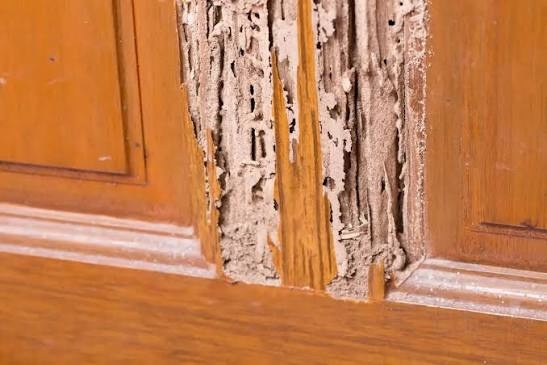
Termites can gradually compromise wooden components by creating galleries and feeding within the material. Damage may remain hidden beneath paint, flooring, siding, insulation, or other finishes.
One reason termite problems are easy to overlook is that homeowners may not see the insects themselves. According to the U.S. Environmental Protection Agency, signs can include damaged or hollow-sounding wood, termite swarms, and other evidence of activity.
For a homeowner buying or selling a property, discovering termite damage late in the transaction can also create unexpected repair costs and delays.
Knowing what to look for can make it easier to identify a potential problem before it becomes extensive.
Wood that sounds hollow when carefully tapped or feels unusually weak may deserve further investigation. Termites can consume portions of wood from the inside, leaving the exterior relatively intact.
Mud or shelter tubes along foundations, walls, or other surfaces can be associated with subterranean termite activity. These protected pathways allow termites to travel between their colony and a food source.
Winged termites, sometimes called swarmers, may appear when mature colonies produce reproductive termites. Finding discarded wings around windows, doors, floors, or other areas can be a reason to investigate further.
Small holes, cracks, galleries, or damaged wooden surfaces can sometimes indicate wood-destroying insect activity. However, similar damage can also be caused by other insects or moisture-related deterioration.
Moisture does not automatically mean a home has termites, but leaks, poor drainage, and damp areas can create conditions that make a property more vulnerable to pest problems. The EPA recommends correcting leaks, maintaining drainage, and keeping soil and vegetation from creating easy access to the structure.
Termites can affect more than obvious wooden surfaces. During a property inspection, attention may be given to areas such as:
Wood that touches or remains very close to soil can deserve particular attention because it may provide an accessible route or food source for termites.
Preventing termite problems is often easier than dealing with extensive damage later. Homeowners can take several practical steps.
First, keep the area around the foundation as dry as possible. Maintain gutters and downspouts so water drains away from the structure.
Second, address plumbing and roof leaks promptly. Persistent moisture can contribute to conditions favorable to termites and other wood-destroying organisms.
Third, avoid storing firewood, lumber, cardboard, or wood debris directly against the house. The EPA specifically recommends removing wood piles and debris from around structures and keeping vegetation from growing directly against exposed wood.
Finally, schedule periodic inspections rather than waiting for visible damage.
A termite inspection can be especially valuable when purchasing an older property, selling a home, noticing suspicious wood damage, or discovering signs such as discarded wings or mud tubes.
It is also wise to investigate before major renovations. Opening walls, removing flooring, or exposing framing may reveal damage that was previously hidden.
Homeowners should remember that a general home inspection and a specialized termite or wood-destroying organism inspection are not necessarily the same service. When termite activity is suspected, a qualified pest professional can determine whether treatment is necessary.
Finding evidence of termites does not automatically mean the entire structure needs to be replaced. The appropriate response depends on the species, location, extent of activity, and amount of structural damage.
A qualified pest management professional can identify the infestation and recommend appropriate treatment. The EPA advises homeowners to choose licensed pest-control professionals and to follow pesticide label instructions carefully.
After treatment, damaged wood may still require repair or replacement. Pest control addresses the infestation, while construction or repair professionals may be needed to restore compromised structural components.
Wood termites can be difficult to detect because much of their activity may occur out of sight. Paying attention to damaged wood, moisture conditions, mud tubes, swarms, and other warning signs can help homeowners act earlier.
In 2026, regular property maintenance and professional inspections remain practical ways to identify potential termite concerns before they develop into expensive surprises. Whether you are buying a home, preparing to sell, or simply protecting your investment, understanding the condition of the wood components in your property is an important part of responsible homeownership.

This post has been authored and published by one of our premium contributors, who are experts in their fields. They bring high-quality, well-researched content that adds significant value to our platform.











Travel Journal is your source for travel inspiration, destination guides, helpful travel tips, and stories from around the world. Discover new places and plan your next journey with confidence.