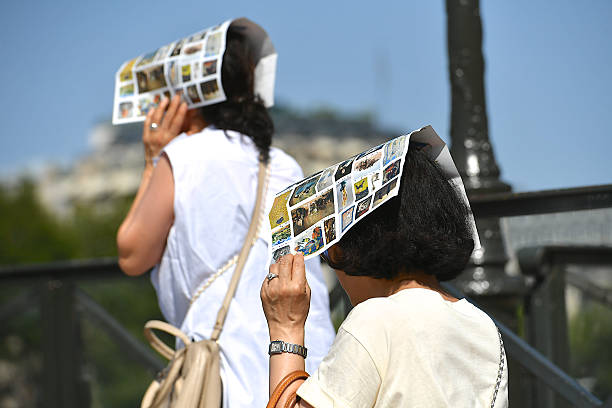
Weather can quietly reshape an entire travel day, even when plans seemed perfect at breakfast. A sunny forecast may become cloudy, while sudden rain can change priorities quickly for everyone.
Travellers often begin with fixed ideas about sightseeing, meals, shopping, and outdoor activities. Changing conditions encourage them to reconsider timing, routes, clothing, transport, and realistic expectations before leaving their accommodation.
Instead of treating weather as an inconvenience, flexible travellers use forecasts as useful planning information. This approach helps them avoid disappointment and discover enjoyable alternatives when original plans change easily.
The key is checking conditions regularly rather than relying only on forecasts made days earlier. Weather updates become especially valuable when activities depend heavily on outdoor conditions throughout the day.
A morning forecast can influence whether travellers leave early, sleep longer, or rearrange their schedule. Clear skies may encourage outdoor exploration, while rain can make indoor attractions more appealing instead.
Temperature also matters because comfort affects how long people want to walk, queue, cycle, or sit outside. Hot afternoons may encourage earlier sightseeing, followed by slower activities later nearby.
Cold conditions create different priorities, particularly for travellers visiting unfamiliar places. They may shorten walking routes, schedule warmer breaks, and choose museums, cafés, galleries, or shops between outdoor stops comfortably.
Wind can be equally influential, especially near coastlines, bridges, viewpoints, and open parks. Strong gusts may make exposed locations uncomfortable, requiring travellers to adjust plans before arriving there safely.
Rain often causes travellers to reconsider attractions that require outdoor access. Instead of cancelling everything, they can move indoor activities forward and save parks, markets, or viewpoints for clearer periods.
Unexpected showers can also affect transport decisions. Walking may suddenly become less practical, encouraging travellers to use buses, trains, taxis, or other covered options when conditions deteriorate unexpectedly.
Heavy rain may create delays around busy attractions because visitors arrive at similar times seeking shelter. Booking ahead and allowing extra time can make these crowded periods easier to manage.
Travellers should also consider drying time when rain is likely. Wet shoes, coats, and bags can become uncomfortable later, so packing suitable layers and protection can improve comfort significantly afterwards.
Warm weather can make an itinerary feel more demanding than expected. Travellers may need longer breaks, more water, shaded routes, and flexible timing to remain comfortable while exploring unfamiliar places.
Early starts become especially useful during hot periods because outdoor attractions may feel easier before midday. Returning indoors during the warmest hours can preserve energy for evening activities later.
Sunshine can also increase demand at popular outdoor attractions. Travellers may face longer queues, busier streets, and crowded viewpoints, making advance tickets and alternative visiting times especially useful.
Even pleasant warmth requires practical preparation. Sunglasses, comfortable footwear, water, light clothing, and sun protection can help travellers stay focused on enjoying the destination rather than managing discomfort unnecessarily.
Windy weather deserves attention because forecasts showing mild temperatures can still feel unpleasant when strong gusts are present. Coastal walks and rooftop visits may become less enjoyable or suitable.
Travellers planning cycling, boating, hiking, or other exposed activities should pay closer attention to wind conditions. Strong gusts can affect comfort, safety, balance, and the amount of energy required.
Urban travellers may notice wind between tall buildings, on bridges, or around open squares. Choosing sheltered cafés, indoor attractions, or streets with more protection can make the day easier.
Wind can also change how clothing feels. A jacket that seems unnecessary during calm weather may become valuable when conditions turn breezy, particularly during evenings or waterfront visits outside.
Weather changes can influence transport even when roads remain open. Rain, snow, ice, storms, or strong winds may create delays, slower journeys, crowded services, or temporary route changes.
Travellers with tightly timed plans should therefore avoid leaving only a few minutes between connections. Extra time creates a buffer when weather affects buses, trains, ferries, or flights significantly.
Walking between transport stops may also become less attractive during poor conditions. Checking distances beforehand helps travellers decide whether a short taxi ride or covered route makes sense locally.
Flexible transport planning reduces stress because travellers know their alternatives before problems occur. Having another route, earlier service, or indoor waiting location can make unexpected delays easier to handle.
Clothing choices are closely connected to weather and can influence the whole travel experience. Packing versatile layers allows travellers to respond when temperatures, rainfall, or wind change unexpectedly.
A lightweight waterproof layer can be useful when showers are possible, while comfortable shoes become important for long walking days. Practical clothing often matters more than complicated packing choices.
Travellers should consider evening conditions separately from daytime forecasts. Temperatures can fall after sunset, particularly in open areas, so an extra layer may prevent discomfort during late activities.
Weather suitable clothing also reduces unnecessary spending at destinations. Instead of buying an expensive jacket, umbrella, or replacement shoes unexpectedly, travellers can prepare basic essentials before leaving home.
Weather can influence restaurant and café choices as much as sightseeing. Outdoor terraces may be attractive in sunshine, while poor conditions can make indoor seating more desirable during busy periods.
Travellers may also change meal timing because weather affects appetite and energy. Hot afternoons can encourage lighter meals, while colder days may make longer indoor meals feel particularly appealing.
Food markets and outdoor dining areas often depend heavily on local conditions. Checking opening information alongside forecasts helps travellers avoid arriving when an experience has been reduced or changed unexpectedly.
Flexible eating plans can create unexpected discoveries. A cancelled outdoor lunch might lead travellers towards a neighbourhood café, local bakery, or small restaurant they would otherwise have missed entirely.
Good weather planning does not mean checking forecasts constantly or abandoning spontaneous travel. It means understanding likely conditions and keeping enough flexibility to respond when circumstances change.
A useful approach is creating a primary plan alongside one or two alternatives. Outdoor activities can fill clearer periods, while museums, cafés, shopping, and indoor attractions provide backup options nearby.
Travellers should also accept that forecasts are not guarantees. Conditions can change quickly, especially in places with variable climates, so sensible preparation is more useful than expecting perfect accuracy.
Ultimately, weather becomes part of the travel experience rather than something that simply disrupts it. With flexible schedules, practical clothing, and realistic expectations, travellers can enjoy more days confidently.

This post has been authored and published by one of our premium contributors, who are experts in their fields. They bring high-quality, well-researched content that adds significant value to our platform.












Travel Journal is your source for travel inspiration, destination guides, helpful travel tips, and stories from around the world. Discover new places and plan your next journey with confidence.