Modern homeowners expect more from their cooling systems than simply lowering the indoor temperature. Energy efficiency, reliable performance, quieter operation, smart controls, indoor air quality, and environmentally responsible technology are becoming increasingly important considerations. As HVAC technology continues to evolve in 2026, choosing the right professional has become an important part of maintaining a comfortable and efficient home.
An experienced air conditioning contractor can help homeowners evaluate their existing system, identify performance problems, select suitable equipment, and maintain reliable cooling throughout the year. Professional expertise is particularly valuable as modern systems become more sophisticated and increasingly connected.
Air conditioning technology has progressed considerably over the past several years. Traditional systems typically operated at fixed capacity, while newer equipment can automatically adjust its performance according to changing conditions.
Variable-speed compressors, advanced blower motors, smart thermostats, connected sensors, and improved system controls are now influencing residential HVAC design.
These technologies can provide more precise temperature management while potentially reducing unnecessary energy consumption.
However, modern equipment requires appropriate installation and configuration. Even highly efficient equipment may underperform if it is incorrectly sized or improperly installed.
Variable-speed technology is one of the most significant trends in residential cooling during 2026.
Instead of switching completely on and off, variable-speed equipment can adjust its output based on the cooling demand inside the home.
During mild weather, the system may operate at a lower capacity for longer periods. When outdoor temperatures increase, it can increase output to maintain the desired indoor temperature.
This approach can improve temperature consistency, reduce frequent cycling, and support better humidity control in suitable conditions.
Homeowners considering an upgrade should discuss variable-speed options with a qualified HVAC professional to determine whether the technology is compatible with their property and existing infrastructure.
Smart thermostats continue to transform the way homeowners manage indoor temperatures.
Modern controls can provide remote access, programmable schedules, energy monitoring, occupancy-based adjustments, and system notifications.
Some systems can learn household routines and make automated adjustments based on usage patterns.
Remote access can also be convenient when plans change. Homeowners may be able to adjust temperatures before returning home or modify settings while away.
Nevertheless, thermostat compatibility remains important. Certain advanced air conditioning systems require specific controls to operate their full range of features.
Artificial intelligence is increasingly influencing residential HVAC technology in 2026.
Connected systems can collect information about temperature, runtime, cycling, and other operating conditions. Advanced software can analyze these patterns and identify changes that may indicate developing problems.
Predictive monitoring could potentially alert homeowners to unusual equipment behavior before a complete failure occurs.
For example, a gradual increase in cooling runtime might indicate restricted airflow, declining equipment performance, or changing building conditions.
Although intelligent monitoring can provide valuable information, it does not eliminate the need for professional inspections and preventative maintenance.
Choosing the right capacity is one of the most important aspects of a successful cooling installation.
An oversized air conditioner may cool a home quickly but cycle too frequently. This can affect humidity control and overall comfort.
An undersized system may run for extended periods and struggle during periods of extreme outdoor heat.
Professional load calculations consider factors such as square footage, insulation, windows, building orientation, occupancy, and local climate.
A new system should therefore be selected based on the home's actual requirements rather than simply matching the capacity of an older unit.
A new air conditioner cannot perform at its best if conditioned air is being lost through damaged or poorly sealed ductwork.
Leaking ducts can allow cooled air to escape into unconditioned areas. Restrictions can also reduce airflow and increase the workload placed on HVAC equipment.
During a cooling upgrade, professionals can evaluate accessible ductwork and identify significant airflow problems.
Improving the distribution system may increase the effectiveness of new equipment and help create more consistent temperatures between rooms.
Refrigerants remain an important part of modern air conditioning technology. The HVAC industry is transitioning toward newer refrigerant options as environmental objectives and regulatory requirements evolve.
This transition means homeowners replacing older systems may encounter different refrigerants and equipment requirements than those associated with their existing units.
Refrigerant-related work requires specialized equipment and appropriate training. Homeowners should never attempt to release, recover, or charge refrigerant themselves.
A qualified professional can explain the refrigerant requirements associated with new equipment and ensure that service procedures are performed correctly.
Cooling upgrades increasingly involve more than temperature control.
Homeowners are paying greater attention to indoor air quality, humidity, filtration, and ventilation. Modern HVAC systems can potentially work alongside air cleaners, improved filters, humidifiers, dehumidifiers, and ventilation equipment.
However, these components must be properly matched to the HVAC system.
For example, an excessively restrictive filter can reduce airflow and affect system performance.
A professional evaluation can help homeowners determine which indoor air quality improvements are appropriate for their property's needs.
Even the most advanced air conditioner requires regular maintenance.
Homeowners should follow manufacturer recommendations for filter replacement or cleaning and keep outdoor equipment free from excessive leaves, grass, and debris.
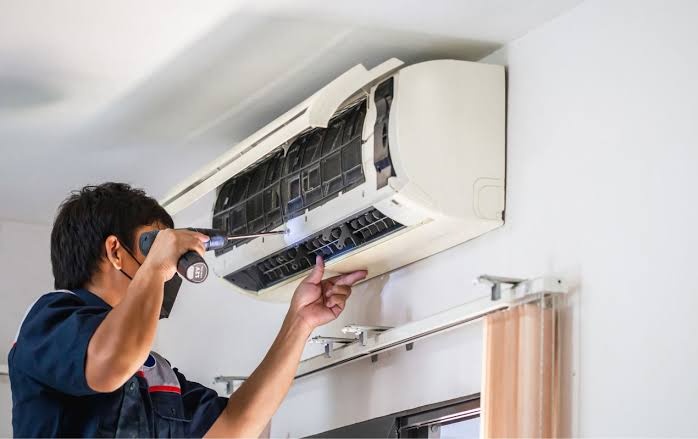
Professional maintenance can include inspecting coils, electrical components, condensate systems, airflow, controls, and other critical components.
Regular maintenance may help identify developing problems before they result in unexpected breakdowns.
When selecting an air conditioning contractor, homeowners should consider more than the initial price.
Experience, proper qualifications, transparent communication, knowledge of modern HVAC technology, installation practices, maintenance support, and warranty information are all important factors.
A dependable professional should evaluate the property before recommending equipment rather than automatically suggesting a particular size or model.
Homeowners should also ask questions about installation procedures, expected maintenance, system efficiency, thermostat compatibility, and long-term operating considerations.
Residential air conditioning is becoming more intelligent, efficient, and connected. Variable-speed technology, smart thermostats, AI-assisted diagnostics, advanced refrigerants, predictive monitoring, and indoor air quality solutions are shaping HVAC trends throughout 2026.
For homeowners, the best results come from combining suitable equipment with accurate sizing, professional installation, appropriate controls, effective airflow, and regular maintenance.
As cooling technology continues to develop, professional expertise will remain essential for helping homeowners understand which innovations provide genuine value for their specific properties. A well-designed and properly maintained system can deliver dependable comfort while supporting efficient energy management for years to come.

This post has been authored and published by one of our premium contributors, who are experts in their fields. They bring high-quality, well-researched content that adds significant value to our platform.











Travel Journal is your source for travel inspiration, destination guides, helpful travel tips, and stories from around the world. Discover new places and plan your next journey with confidence.