When homeowners think about property maintenance, they often focus on the roof, plumbing, electrical system, or exterior. One important area is frequently overlooked: the air inside the home. People spend a significant amount of time indoors, and the condition of the indoor environment can be influenced by moisture, ventilation, household activities, building materials, and HVAC performance.
In Florida, indoor environmental conditions deserve particular attention because warm temperatures and high humidity can contribute to moisture-related concerns. Understanding indoor air quality testing can help homeowners identify potential environmental issues and make better-informed decisions about maintaining their property.
Indoor air is affected by everything happening inside and around a home. Cooking, cleaning products, dust, pets, building materials, HVAC systems, and outdoor pollutants can all influence the indoor environment.
A home can appear clean while still having conditions that deserve further investigation. Poor ventilation, excessive humidity, water intrusion, or inadequate HVAC maintenance may contribute to an uncomfortable indoor environment.
The first step is understanding that indoor air quality is not determined by one single factor. Instead, it is influenced by several conditions working together. Professional assessment can provide homeowners with useful information about specific concerns instead of relying solely on appearance or assumptions.
Florida's climate creates several environmental challenges for homeowners. Humidity can enter through outdoor air, leaks, poorly controlled moisture, or inadequate ventilation. When moisture remains elevated for extended periods, it can contribute to conditions that affect building materials and indoor environments.
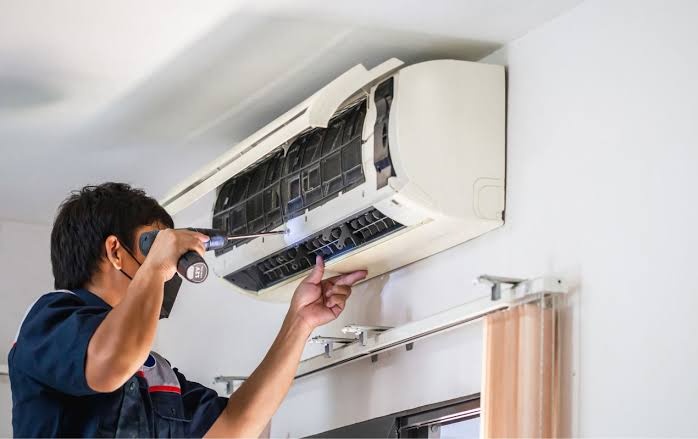
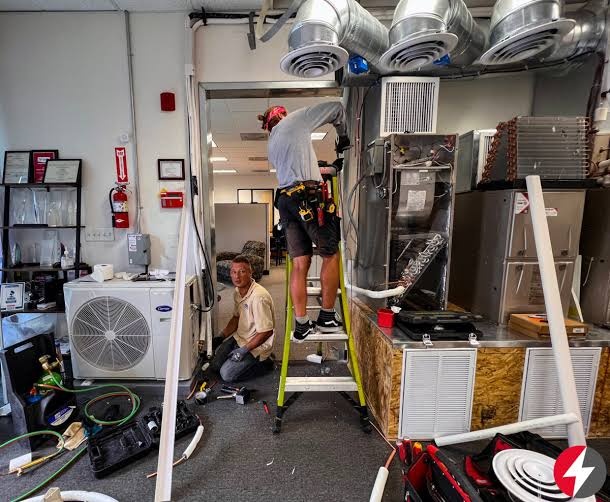
Air-conditioning systems also play an important role. HVAC equipment does more than cool a home; it can influence humidity and air circulation. Poor maintenance, dirty components, blocked filters, or inadequate airflow may affect how comfortable the home feels.
Older properties may have additional considerations, including aging ventilation systems, previous water damage, or building materials that have accumulated dust and other particles over time.
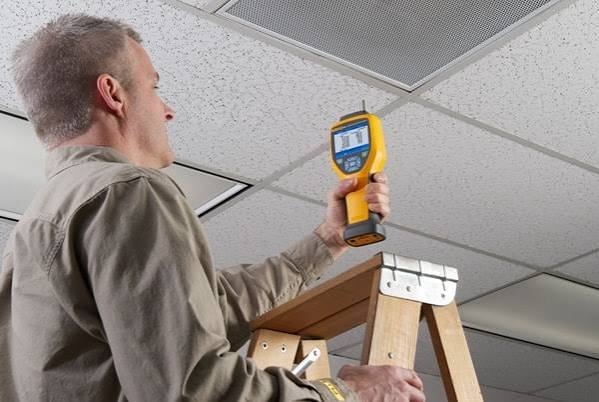
The exact evaluation depends on the property's needs and the reason for testing. Different testing methods can provide information about different environmental conditions.
Depending on the service, an assessment may consider factors such as:
Not every home requires the same testing approach. A professional can help determine which measurements or laboratory analyses may be appropriate based on the property's circumstances.
Moisture is one of the most important issues to investigate when homeowners have concerns about indoor environmental conditions. Leaking roofs, plumbing problems, condensation, flooding, and poor drainage can introduce unwanted moisture into a property.
Mold can develop when moisture and suitable materials are present. However, visible mold is not always the only concern. Previous water damage may leave behind conditions that warrant additional investigation even when obvious growth is not visible.
An air assessment may provide useful information when there is a history of moisture intrusion or unexplained environmental concerns. If testing identifies a potential problem, further investigation may be necessary to determine the source and appropriate corrective measures.
It is important to remember that testing and remediation are different services. Testing can provide information, while qualified remediation professionals address confirmed problems.
There is no universal schedule that applies to every property. Instead, homeowners may consider an evaluation when there is a specific reason to investigate indoor environmental conditions.
Common situations include:
Homeowners may also choose an assessment simply because they want more information about their property's indoor environment.
Homebuyers typically evaluate a property based on its location, condition, price, and future potential. A traditional home inspection can provide valuable information about visible components and systems, but indoor environmental testing addresses a different category of concerns.
For buyers, indoor air quality testing can be considered when there are signs of moisture, unusual odors, visible staining, or other conditions that raise questions about the indoor environment.
Testing can help buyers make decisions based on objective information. If results indicate a potential concern, the buyer can determine whether additional investigation by a qualified specialist is appropriate before completing the transaction.
Sellers can benefit as well. Identifying environmental concerns before listing may provide an opportunity to investigate and address issues before they become part of a buyer's due-diligence process.
Test results should be interpreted in context. A single measurement does not necessarily explain the entire condition of a home. Results may need to be considered alongside the property's construction, ventilation, moisture history, HVAC system, and other observations.
If a potential concern is identified, homeowners should focus on finding the source rather than immediately purchasing products or making major changes. For example, controlling an underlying moisture problem may be more important than simply treating an environmental symptom.
Qualified professionals can help determine whether additional inspection, laboratory analysis, repair, or remediation is appropriate.
Modern homeowners are becoming more aware that a property's condition involves more than what can be seen. Indoor environmental factors can be an important part of maintaining a comfortable and well-understood home.
Professional indoor air quality testing can provide useful information when homeowners have specific concerns about humidity, ventilation, airborne particles, mold-related conditions, or other indoor environmental factors.
The goal is not to create unnecessary alarm. Instead, testing should be viewed as a practical information-gathering tool. Understanding what is happening inside a home allows property owners and buyers to make decisions based on evidence.
As Florida homeowners continue to prioritize preventive maintenance and healthier indoor environments in 2026, paying attention to air quality can be a valuable part of responsible property ownership. A proactive approach can help uncover questions earlier, guide appropriate follow-up, and give homeowners greater confidence in understanding one of the most important parts of their living environment.

This post has been authored and published by one of our premium contributors, who are experts in their fields. They bring high-quality, well-researched content that adds significant value to our platform.











Travel Journal is your source for travel inspiration, destination guides, helpful travel tips, and stories from around the world. Discover new places and plan your next journey with confidence.